Casestudy
How Zaha Hadid Architects Unified Global Teams with AI
The Challenge: A Global Firm Moving at Breakneck Speed
Zaha Hadid Architects is known for pushing boundaries - complex geometries, innovative forms, and projects that challenge what’s architecturally possible. With 500 staff across London, Berlin, Beijing, Shenzhen, and Hong Kong, the firm needed AI tools that could keep pace with their ambition. Leading the charge are Clemens Lindner, Design & AI Researcher, and Harry Spraiter, Associate, whose work spans complex international projects that merge AI workflows.
The problem? Every week brought a new AI model, a new image generator, a new capability. Designers were eager to experiment, but the fragmentation was unsustainable.
“Everyone was incredibly eager every time a new model came out,” explains Harry Spraiter. “We just needed a way to unify it all.”
The Solution: One Canvas, Every Model, Global Collaboration
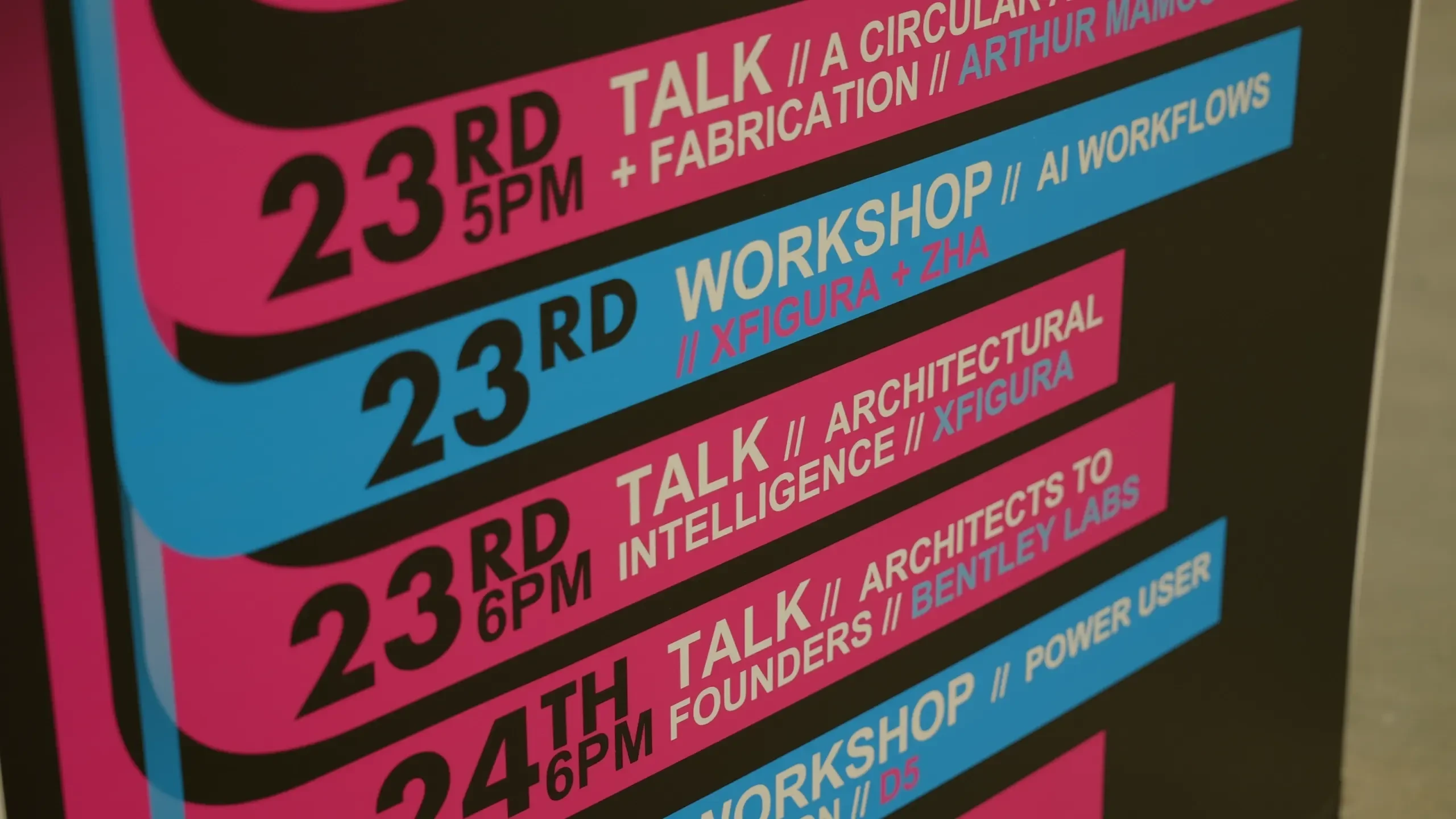
When Zaha Hadid Architects adopted xFigura, 200 of their 500 staff signed up. The appeal was immediate: one collaborative interface that housed every AI model they needed.
For a firm spanning five time zones, the benefits went beyond convenience:
Global accessibility - xFigura isn’t tied to a specific market or location. Teams in London can share boards with colleagues in Beijing, collaborating on AI-generated concepts in real time.
Shared learning - Designers can see each other’s prompts and workflows, learning what works across different models and use cases.
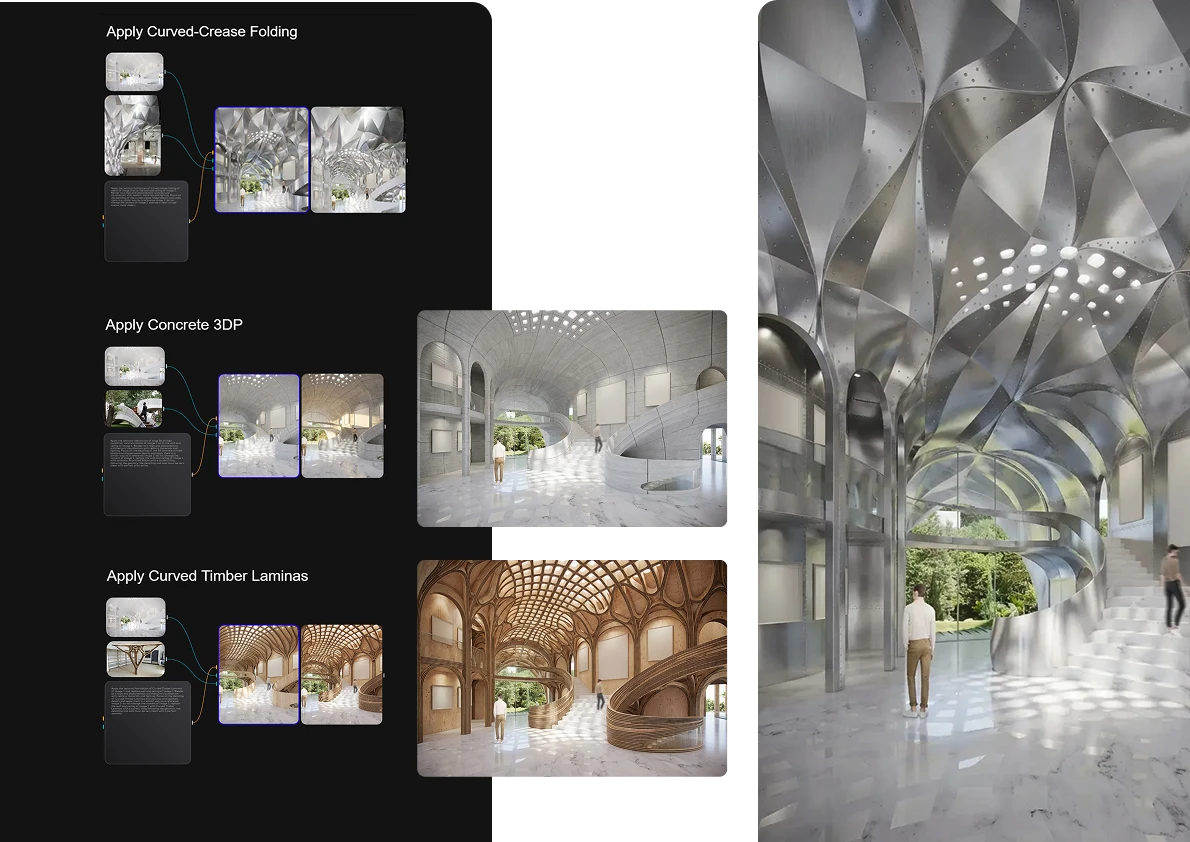
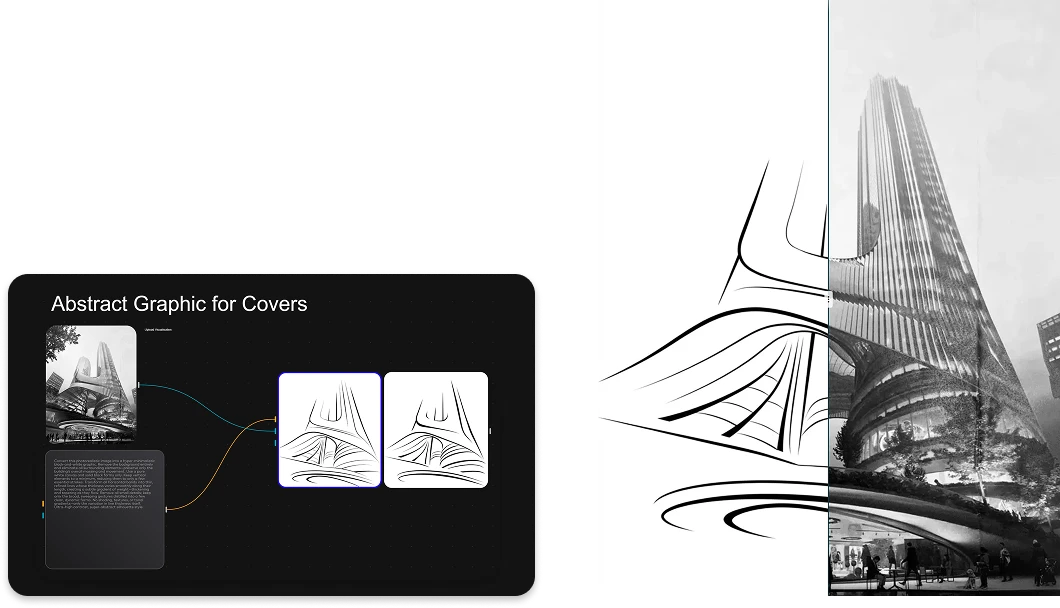
Non-destructive workflows - Like node-based systems (Grasshopper, Dynamo), changes at any step automatically flow through the entire workflow.
“This was the biggest breakthrough for us,” Harry says. “Being able to have it all unified into one canvas where we can all work together and use the latest models - has been the biggest game changer.”
From Granular Edits to Production-Ready Renders
Harry highlights another breakthrough: the linear, node-based workflow that preserves design intent.
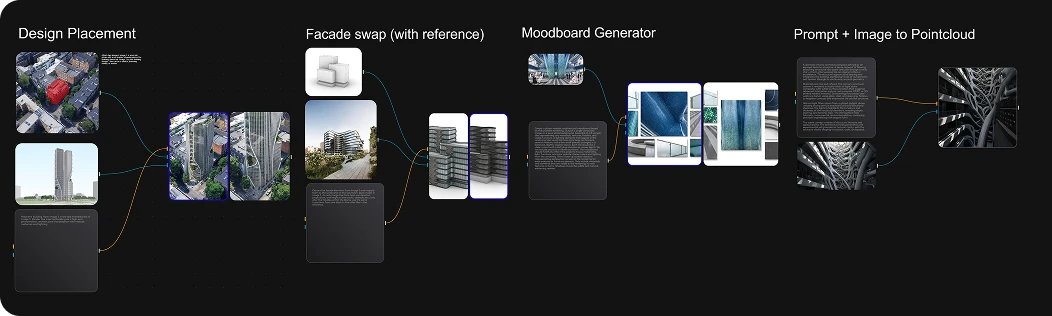
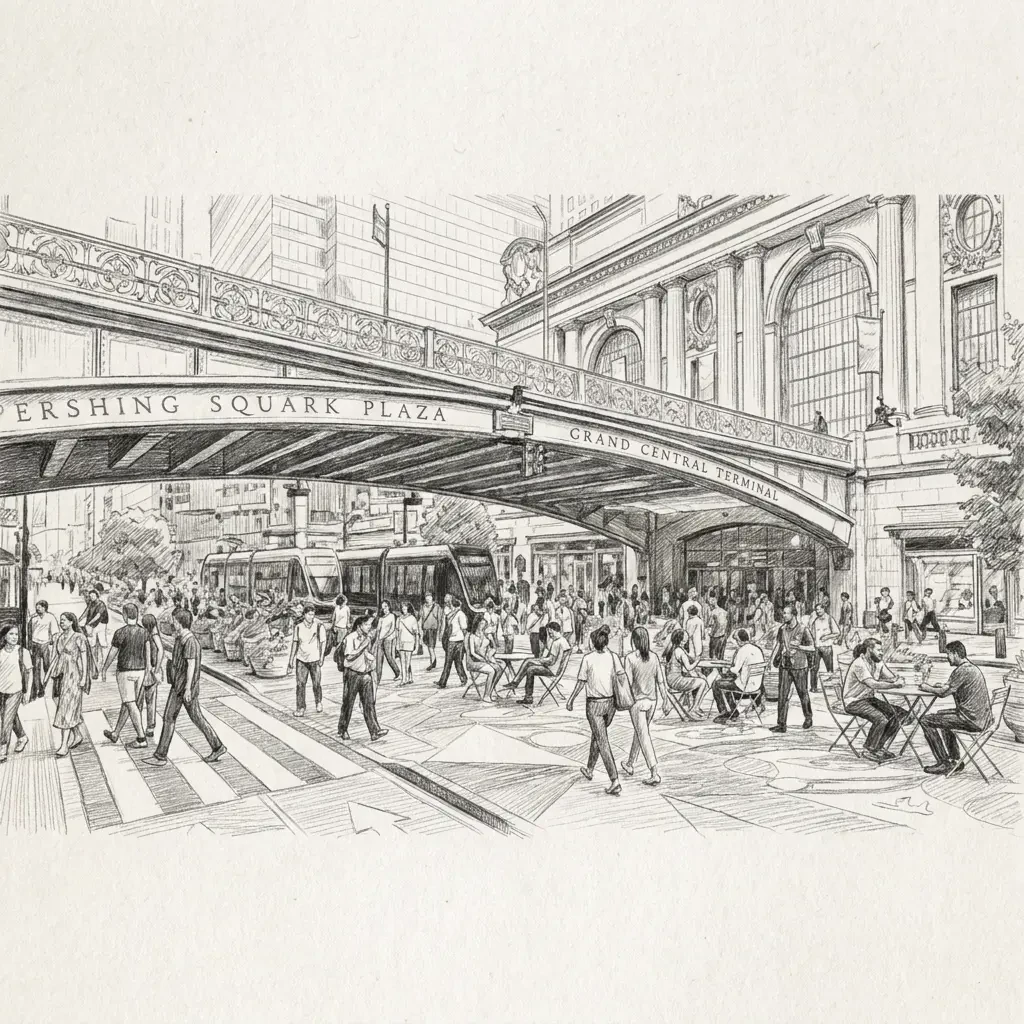
“What’s been nice is positioning one node after the next and working in a linear fashion,” he explains. “Before, it wasn’t possible because it would destroy your geometry or change it significantly. Now we can do granular edits - then go as far as production-ready renders, upscaling to a level where we see quite a lot of detail and granularity.”
This means architects can make surgical changes - adjusting a single element - without losing the underlying design, then push those images all the way to client-presentation quality.
Consistent Storytelling
One challenge with AI image generators is maintaining consistency across a project. Zaha’s team found that xFigura’s node-based approach solved this.
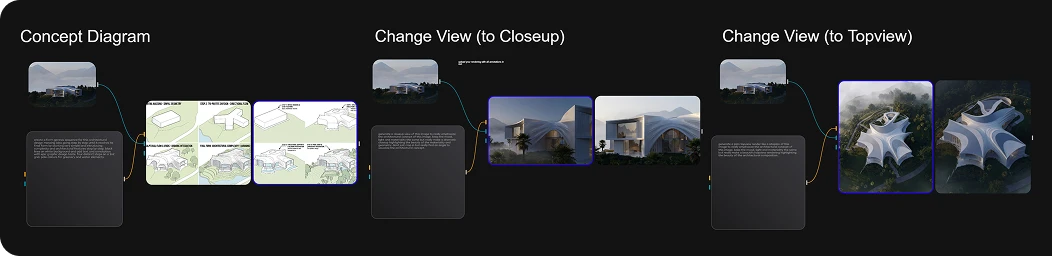
“Before, image generation was kind of a one-off,” explains Clemens Lindner. “Now we can set up non-destructive workflows. When we change the design, we can start from the beginning and loop through all these components to get similar end results.”
This means competition submissions can show coherent narratives - multiple angles, different times of day, various contexts - all maintaining the same architectural intent.
Design Culture, Augmented
For Zaha Hadid Architects, AI isn’t replacing their distinctive design process - it’s amplifying it.
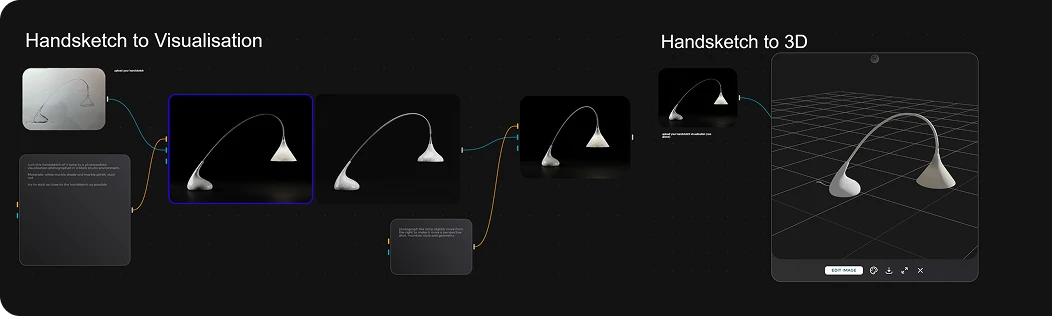
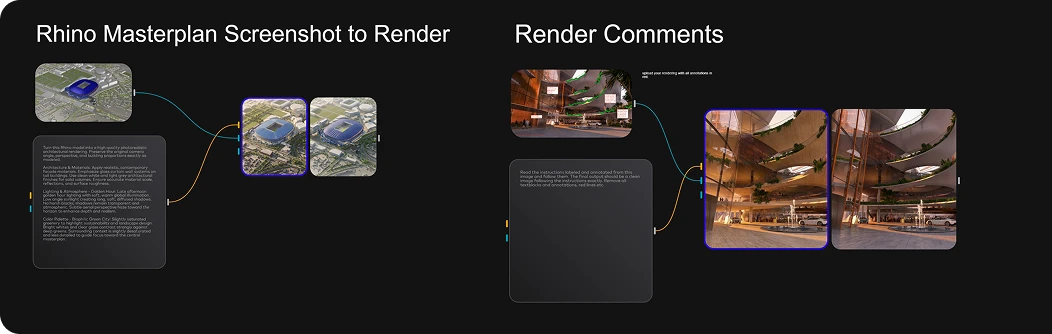
The firm sees xFigura fitting into five pillars of their AI strategy:
Generative AI - Image and video generation for visualization
Form-shaping AI - Geometric exploration and optimization
Evaluating AI - Analysis and performance feedback
Automation - Streamlining repetitive tasks
Semantic AI - Understanding and organizing project knowledge
With 200 designers now on the platform, Zaha Hadid Architects is proving that even the most complex, boundary-pushing practice can integrate AI into their creative DNA. Zaha Hadid Architects is a London-based architecture firm with 500 employees and offices across Europe and Asia, known for pioneering parametric design and complex geometries.
About xFigura
xFigura is the AI workspace built for architects and designers. The platform unifies 50+ AI models - including the latest image, video, and 3D generators - into a single collaborative canvas.
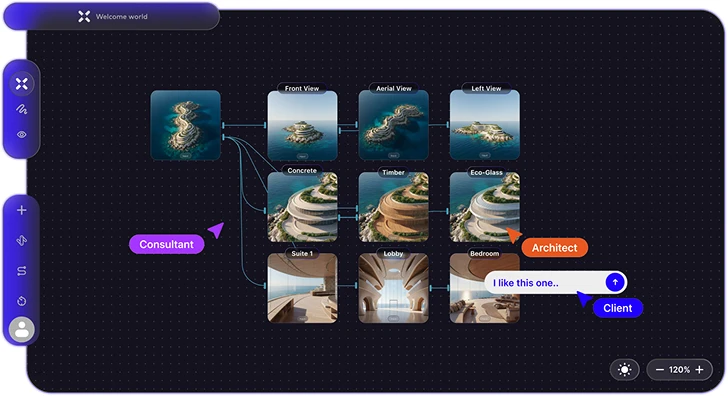
What makes xFigura different:
All models, one platform - Access Midjourney, DALL-E, Flux, Sora, Runway, and dozens more without juggling logins or subscriptions. New models are added weekly.
Built for design workflows - Chain models together in node-based workflows.
Go from sketch → render → video → 3D model in a single canvas.
Enterprise-ready - Centralized credit pools, usage analytics, data security controls, and the ability to enable/disable specific models based on your firm’s policies.
Seamless integration - Connect directly to Rhino, Revit, and SketchUp via the Speckle integration. A native Rhino plugin is now available.
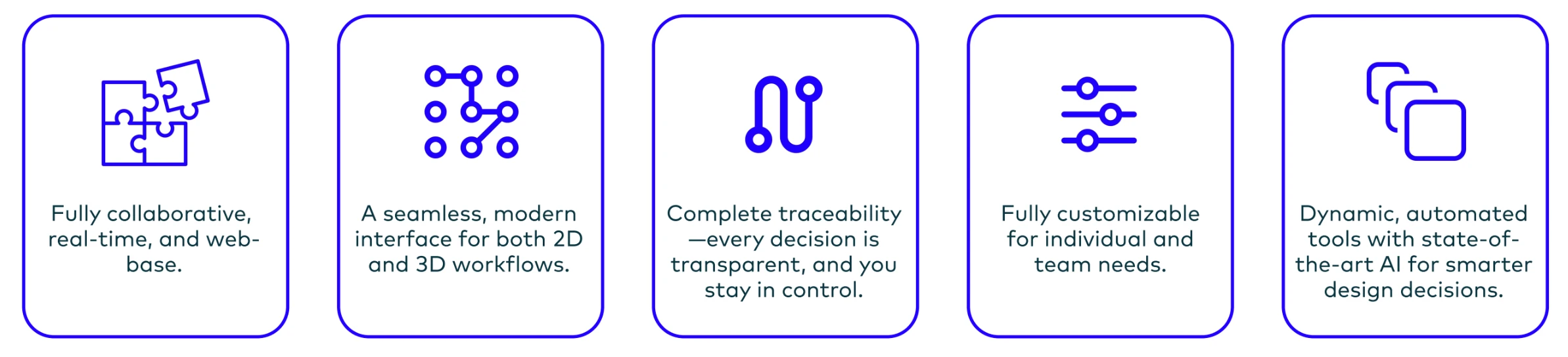
Collaboration-first - Share boards, workflows, and prompts across your team. See what’s working for colleagues and build on each other’s discoveries.
Whether you’re a solo practitioner or a global firm with hundreds of designers, xFigura puts the full power of AI at your fingertips - without the complexity.
Ready to Transform Your Firm's AI Workflows?
xFigura is already being used by some of the world's leading architecture and design firms — and we're just getting started. Contact us at info@xfigura.ai for an enterprise demo and we'll walk you through everything.